Visit Valley Dental Care Today Or call 480-561-3993

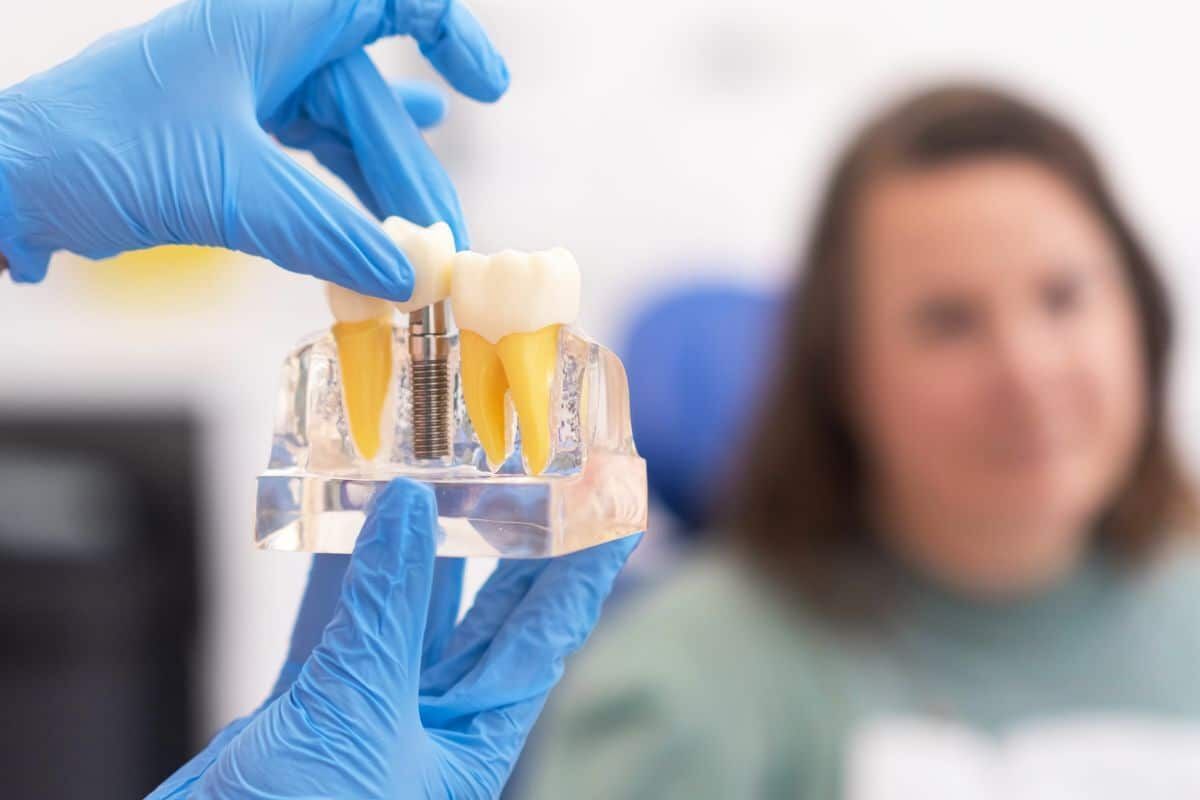
Missing a tooth can change more than the way your teeth look. You may notice yourself chewing on one side, avoiding certain foods, speaking differently, or simply feeling less comfortable in everyday conversations. The good news is that replacing a missing tooth can help restore much of what you may have been missing.
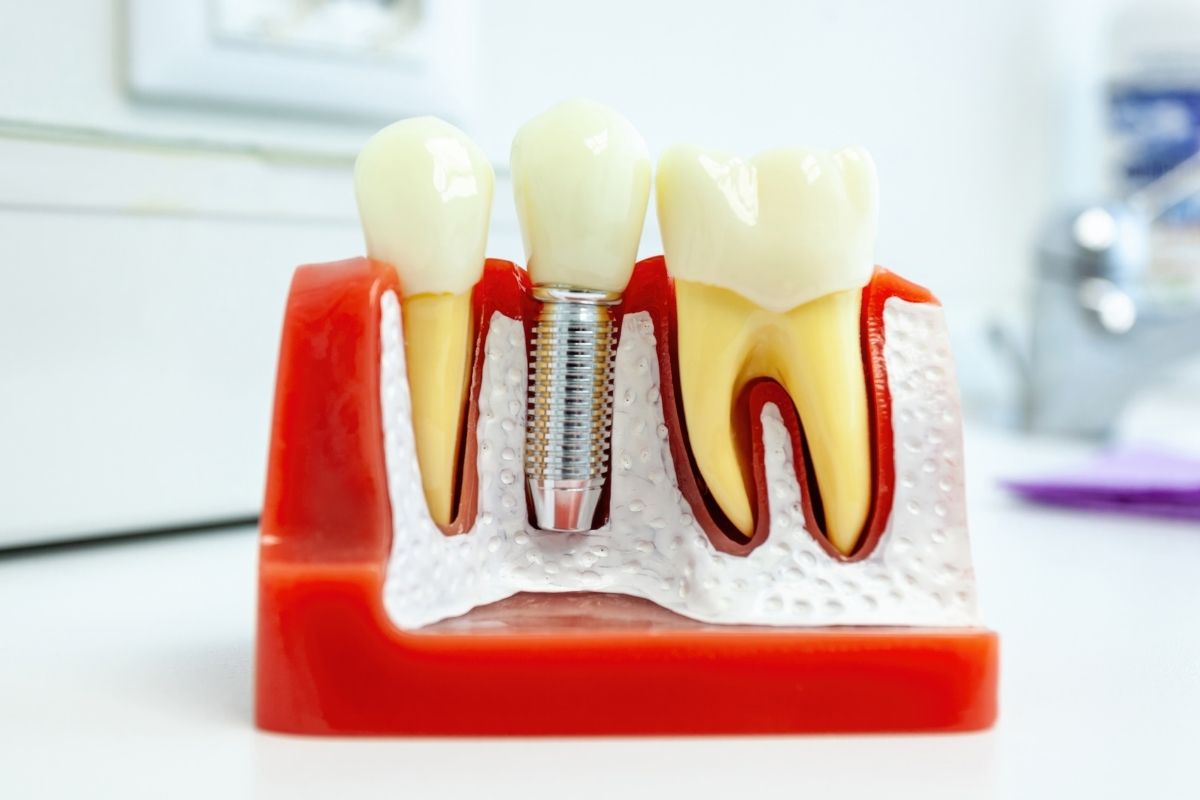
Dental implants are designed to replace the root of a missing tooth and support a natural-looking restoration. But what does life actually look like before and after treatment? If you are considering Dental implants chandler, understanding the changes you may experience can make your decision feel much clearer.
Before Dental Implants: What Might You Notice?
Every patient’s experience is different, but missing teeth can affect daily life in several ways.
You may experience:
- Difficulty chewing certain foods comfortably
- Changes in your bite or how your teeth come together
- Gaps that affect the appearance of your teeth
- Changes in speech when a front tooth is missing
- Increased pressure on your remaining teeth
- Changes in the jawbone around the missing tooth over time
- Feeling self-conscious during conversations or photos
For many Chandler residents, these concerns can become more noticeable during simple routines—sharing a meal with family, meeting friends for coffee, or enjoying dinner at one of the city’s many local restaurants.
A dental implant may offer a stable way to replace the missing tooth while helping restore everyday function.
What Happens During the Implant Process?
Before treatment begins, your dentist will evaluate your teeth, gums, jawbone, and overall oral health. This helps determine whether an implant is appropriate and whether additional treatment, such as bone grafting, may be needed.
The process generally involves placing the implant into the jawbone and allowing time for it to integrate with the surrounding bone. Once healing is complete, an abutment and custom restoration can be placed.
Your treatment timeline depends on your individual needs, healing, and the condition of your oral health. A personalized consultation is the best way to understand what your treatment may involve.
Before and After Dental Implants: Changes You May Notice
The biggest difference is often how naturally the replacement tooth fits into your everyday routine.
More Comfortable Chewing
A properly restored implant can provide stable support for eating and chewing. Instead of working around a missing tooth, you may find it easier to enjoy a wider variety of foods.
A More Natural-Looking Appearance
The restoration is designed to complement your surrounding teeth. Your dentist considers factors such as tooth shape, size, color, and placement when planning your restoration.
Improved Speech
A missing tooth can sometimes affect pronunciation. Replacing it with a stable restoration may help you speak more comfortably and naturally.
Better Support for Your Bite
When a tooth is missing, neighboring teeth can shift into the open space. Replacing the tooth can help restore a more balanced bite and reduce unnecessary changes to your dental alignment.
Greater Everyday Confidence
For some patients, the emotional difference is just as meaningful as the physical one. Being able to laugh, talk, eat, and socialize without constantly thinking about a missing tooth can make everyday interactions feel easier.
How to Get the Most From Your Results
Your implant is not something you simply receive and forget about. Long-term care matters.
To protect your investment:
- Brush and floss consistently as recommended by your dental team.
- Keep regular dental examinations and professional cleanings.
- Follow your post-treatment instructions carefully.
- Avoid using your teeth to open packages or bite extremely hard objects.
- Tell your dentist if you notice discomfort, swelling, bleeding, or changes around the implant.
- Follow any recommendations regarding food, smoking, alcohol, or physical activity during healing.
Good oral hygiene remains important because the gums and tissues surrounding an implant still need professional attention.
Why Localized Dental Care Matters
Choosing a conveniently located dental office can make ongoing care easier. Valley Dental Care is located at 1300 N McClintock Drive, Suite E-12, Chandler, AZ 85226, making it convenient for patients living and working throughout Chandler and nearby communities. The practice provides comprehensive dental care, including implant treatment, with appointments designed around patients’ schedules.
Working with a Dentist in chandler also means you have a local dental team available for evaluations, follow-up visits, routine maintenance, and questions that may come up during your treatment journey.
Is Everyone a Candidate for Dental Implants?
Not necessarily. Successful implant treatment depends on several factors, including jawbone health, gum health, oral hygiene, and your individual medical and dental history.
Some patients may need preliminary treatment before an implant can be placed. For example, Valley Dental Care offers bone grafting as part of its restorative services when additional bone support is needed.
The best way to determine your options is through an individual evaluation rather than comparing your situation with someone else’s results.
Frequently Asked Questions
Can dental implants look like natural teeth?
Yes. Dental implant restorations are designed to blend with your surrounding teeth. Your dentist will consider the appearance and position of the restoration when planning your treatment.
Will I be able to eat normally after getting an implant?
Once healing is complete and your dentist confirms that the restoration is ready for normal function, implants can provide stable support for chewing. During the healing period, you may need to follow temporary dietary restrictions.
How long does the dental implant process take?
The timeline varies from patient to patient. It can depend on healing, bone health, whether additional procedures are needed, and the type of restoration being placed.
Can I get an implant if I have experienced bone loss?
Possibly. Bone loss does not automatically rule out implant treatment. Your dentist can evaluate your jawbone and determine whether additional treatment, such as bone grafting, may help create an appropriate foundation.
How should I care for my dental implant afterward?
Care is similar to maintaining natural teeth: brush regularly, clean between your teeth as recommended, attend routine dental visits, and follow your dentist’s personalized instructions. Valley Dental Care also recommends ongoing professional examinations and good oral hygiene to help protect implant health.
Ready to Explore Your Options?
A missing tooth does not have to dictate how you eat, speak, or feel about your appearance. With the right treatment plan, dental implants can provide stable tooth replacement while helping restore everyday function.
If you have been putting off treatment because you are unsure what comes next, start with a conversation. Valley Dental Care can evaluate your needs, explain your options, and help you take the next step toward a healthier, more complete set of teeth.
Schedule an appointment today and discover whether dental implants are right for you.