Visit Valley Dental Care Today Or call 480-561-3993


Getting dental implants is an important step toward restoring your ability to chew comfortably and feel confident about your teeth. But if you’re preparing for the procedure, you probably have questions about what happens afterward. Will there be swelling? When can you eat normally again? And how long does it take to feel like yourself?
The good news is that recovery is usually manageable when you follow your dental team’s instructions and give your body time to heal. Knowing what to expect can help you feel more prepared, recognize normal healing changes, and avoid habits that could interfere with your results.
Looking at before and after dental implants helps you understand that the transformation involves more than appearance. Your gums need time to heal, and the implant must bond with your jawbone before the final restoration can be placed.
Before Dental Implant Surgery: How to Prepare
A smooth recovery starts before you enter the dental office. Your dentist will evaluate your oral health, review your medical history, and determine whether your jawbone can support an implant. Some patients may need additional procedures, such as bone grafting, before implant placement.
Here are a few ways to prepare:
- Plan your meals: Stock up on soft foods such as yogurt, scrambled eggs, oatmeal, mashed potatoes, and smoothies without straws.
- Arrange transportation: If sedation is planned, follow your provider’s instructions about driving and having someone accompany you.
- Prepare your recovery space: Keep prescribed medications, water, and recommended oral-care supplies within easy reach.
- Ask questions: Make sure you understand your medication schedule, cleaning instructions, activity restrictions, and follow-up appointments.
If you live in Chandler, Arizona, consider scheduling your procedure around work, school pickups, or other responsibilities. Having a little flexibility in your calendar can make the first few days less stressful.
Your Dental Implant Recovery: A Week-by-Week Guide
Every patient heals differently. Your recovery timeline depends on factors such as the number of implants placed, your overall health, whether bone grafting was necessary, and your body’s healing response.
The First Few Days: Rest and Manage Swelling
Mild swelling, tenderness, bruising, and a small amount of bleeding can occur after implant surgery. These symptoms are often most noticeable during the first few days and should gradually improve.
What you can do:
- Rest and avoid strenuous exercise.
- Apply a cold pack externally as directed by your dental team.
- Eat soft, cool or lukewarm foods that require minimal chewing.
- Take medications exactly as instructed.
- Avoid smoking, vaping, and alcohol during recovery, especially when prohibited by your provider.
Do not disturb the surgical site with your fingers or tongue. Follow your dental team’s instructions for brushing and rinsing, since the appropriate approach may depend on the procedure performed.
The First Week: Protect the Healing Site
As the days pass, swelling and tenderness should begin to settle. You may notice that eating and speaking become more comfortable, although the surgical area can remain sensitive.
Continue choosing foods that are easy to chew. Avoid hard, crunchy, sticky, or very hot foods that could irritate the area.
Keep your mouth clean, but be gentle around the implant site. Your provider may recommend a specific rinse or explain when you can resume your usual oral hygiene routine.
Quick self-check: Are your discomfort and swelling gradually improving? If symptoms worsen instead of improving, contact your dental office.
The Second Week: Return to Your Routine Gradually
Many patients feel noticeably better by this stage. Depending on the procedure and your healing progress, you may be able to return to more of your usual daily activities.
However, feeling better does not mean the implant has fully healed beneath the gums. Continue following any dietary restrictions and avoid putting unnecessary pressure on the surgical area.
If stitches were placed, your dental team will explain whether they dissolve on their own or need to be removed. Attend your scheduled follow-up visit so your provider can assess the healing site.
The Following Weeks: Healing Continues Beneath the Surface
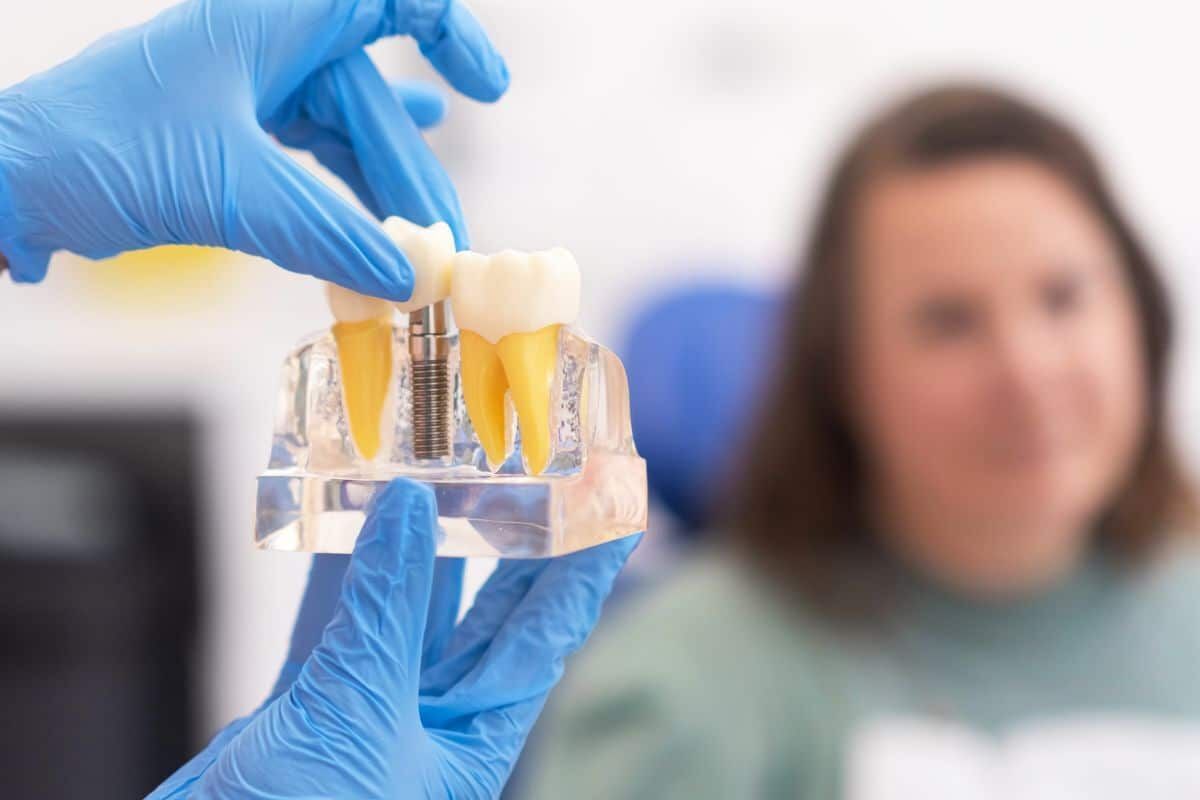
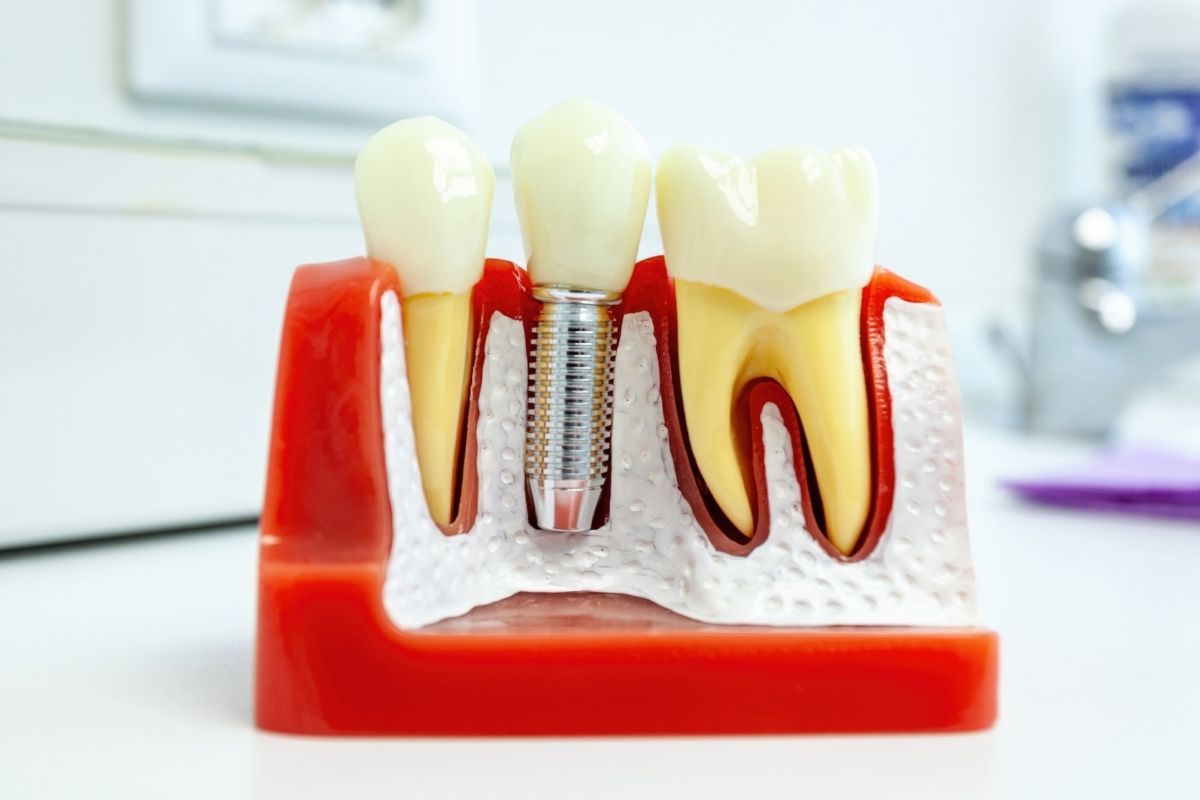
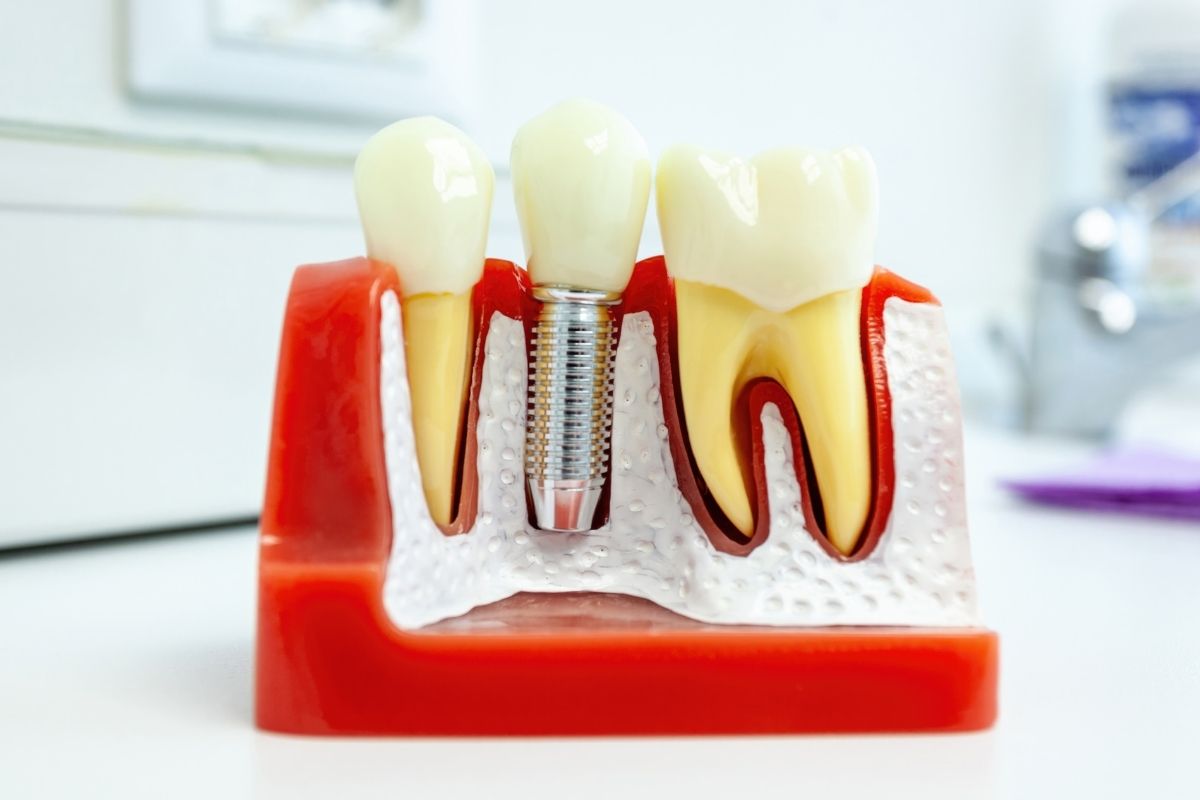
During the weeks after surgery, the implant continues integrating with your jawbone. This process is called osseointegration, and it is essential for creating a stable foundation for your replacement tooth.
You may feel normal during this stage, but the underlying healing process is still underway. Avoid chewing directly on the implant if your provider has instructed you not to do so.
Keep up with oral hygiene and follow your recommended checkup schedule. Your dentist will determine when the implant is ready for the next stage of treatment.
The Following Months: Prepare for Your New Tooth
For many patients, bonding between the implant and jawbone takes several months. The exact timeline varies, especially if bone grafting or other procedures were required.
Once the implant is sufficiently stable, your dental team can proceed with the planned restoration, often a custom crown. In some cases, a temporary restoration may be used earlier, depending on the treatment plan.
The final result should be designed to fit your bite and complement your natural teeth. Your provider will also explain how to clean around the restoration and maintain your implant over time.
Before and After Dental Implants: What Changes Can You Expect?
The experience varies from person to person, but there are some common differences between the initial recovery period and life after treatment.
During recovery:
- Temporary swelling or tenderness may occur.
- You may need to adjust your food choices.
- Extra care is needed around the surgical site.
- Follow-up visits help monitor healing.
After healing and restoration:
- The replacement tooth may help improve chewing function.
- Your restored tooth can be designed to blend with your natural teeth.
- Daily brushing, cleaning between teeth, and regular professional care remain essential.
- Your dentist can monitor the implant and surrounding gums for long-term health.
Dental implants do not prevent every future oral health problem. Consistent home care and professional monitoring help protect your investment.
When Should You Contact Your Dentist?
Some tenderness can be expected after surgery, but certain symptoms need prompt attention.
Contact your dental provider if you experience worsening pain or swelling, persistent bleeding, fever, pus, or a bad taste accompanied by other signs of infection. Seek urgent medical attention for difficulty breathing or swallowing or rapidly increasing swelling.
Do not wait for a scheduled appointment if you are concerned about your recovery.
Frequently Asked Questions
How long does it take to recover from dental implant surgery?
Initial recovery often takes several days to a couple of weeks, depending on the procedure. Complete integration with the jawbone generally takes several months, and more complex cases may take longer.
When can I eat normally after getting dental implants?
You may need soft foods during the early recovery period. Gradually returning to firmer foods depends on your healing progress and your dentist’s instructions. Avoid chewing on the surgical site until you are cleared to do so.
Is swelling normal after dental implant surgery?
Mild swelling and bruising can occur after surgery. They should generally begin improving over the following days. Increasing swelling, fever, or worsening pain warrants a prompt call to your dental provider.
How do I clean my mouth after implant surgery?
Follow your provider’s instructions for brushing, rinsing, and cleaning near the surgical site. Gentle care is important, and you should avoid disturbing the area while it heals.
How long do dental implants last?
Dental implants can last many years, but their longevity depends on factors such as oral hygiene, gum health, smoking, bite forces, and regular professional monitoring. The crown may require repair or replacement over time.
Take the Next Step Toward a Healthier, More Confident Smile
Dental implant treatment is a process, not an overnight change. Understanding each stage of recovery helps you prepare, protect the healing site, and know when to ask for help. With careful aftercare and regular follow-up visits, you can give your implant the best opportunity to heal successfully.
If you’re considering dental implants or want to understand what recovery may look like for your specific needs, Valley Dental Care can help you explore your options. Schedule an appointment today to discuss your goals, ask questions, and create a treatment plan that fits your oral health needs.