Visit Valley Dental Care Today Or call 480-561-3993

You’ve decided to replace a missing tooth, which is a meaningful step forward. It’s natural to wonder if eating will feel normal again, as food often plays such an important role in our comfort, routines, and social moments. Nobody wants to feel limited during dinner or hesitate when chatting over a meal. Remember, you’re not alone in this, and soon things will feel more familiar and enjoyable. On warm evenings near Downtown Chandler, enjoying tacos or citrus dishes, food becomes part of daily life and social bonds. When your bite feels off, even simple meals can feel frustrating.
Many patients feel curious about what comes next after treatment. Wondering if you can chew as you used to, or if certain foods might feel different? Curious about how long it takes to get back to normal? This blog offers a warm, helpful overview that covers everything from the healing process to enjoying your meals comfortably again. At Valley Dental Care, we’re dedicated to supporting you in restoring both function and confidence through carefully planned treatments.
Why Eating Normally Matters More Than You Think?
People who have recently received prosthetic teeth need to follow specific dietary instructions. They can impact your lifestyle in many ways:
Food Is Not Just Nutrition
Eating is more than just about staying alive. It’s a wonderful part of social gatherings, celebrations, and our daily routines. When chewing becomes awkward, it can lead people to steer clear of some foods, which might impact their nutrition and boost their confidence.
Missing Teeth Change Your Bite
Missing a tooth can lead to a bit of imbalance in your mouth. The teeth next to it might start to shift, and the pressure when you chew can become uneven. Over time, this can make chewing less comfortable and less effective. You might notice that you rely more on one side, which can put extra strain on your jaw.
Restoring Function Restores Confidence
Prosthetic teeth help restore both function and stability, making your bite feel balanced again. This means meals can become enjoyable rather than stressful. Many patients also notice positive changes in how they speak and smile, feeling more confident and comfortable every day.
Can You Eat Normally After Dental Implants??
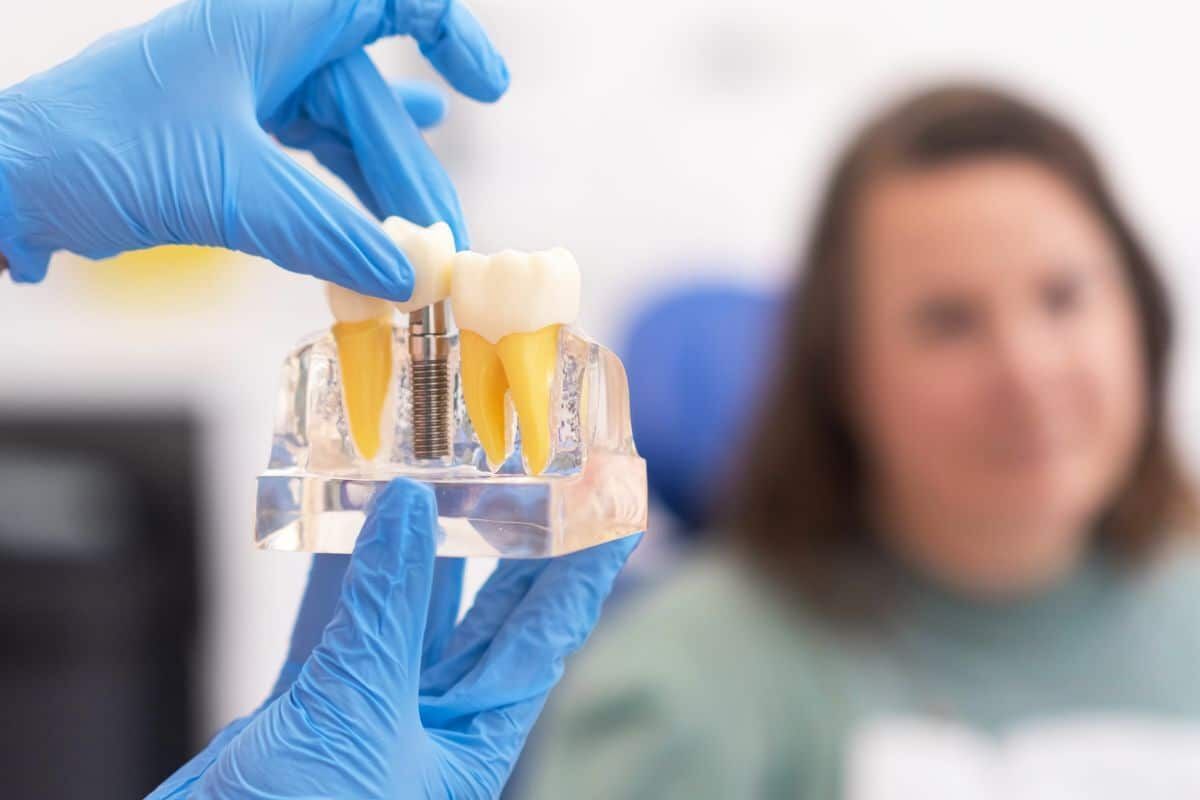
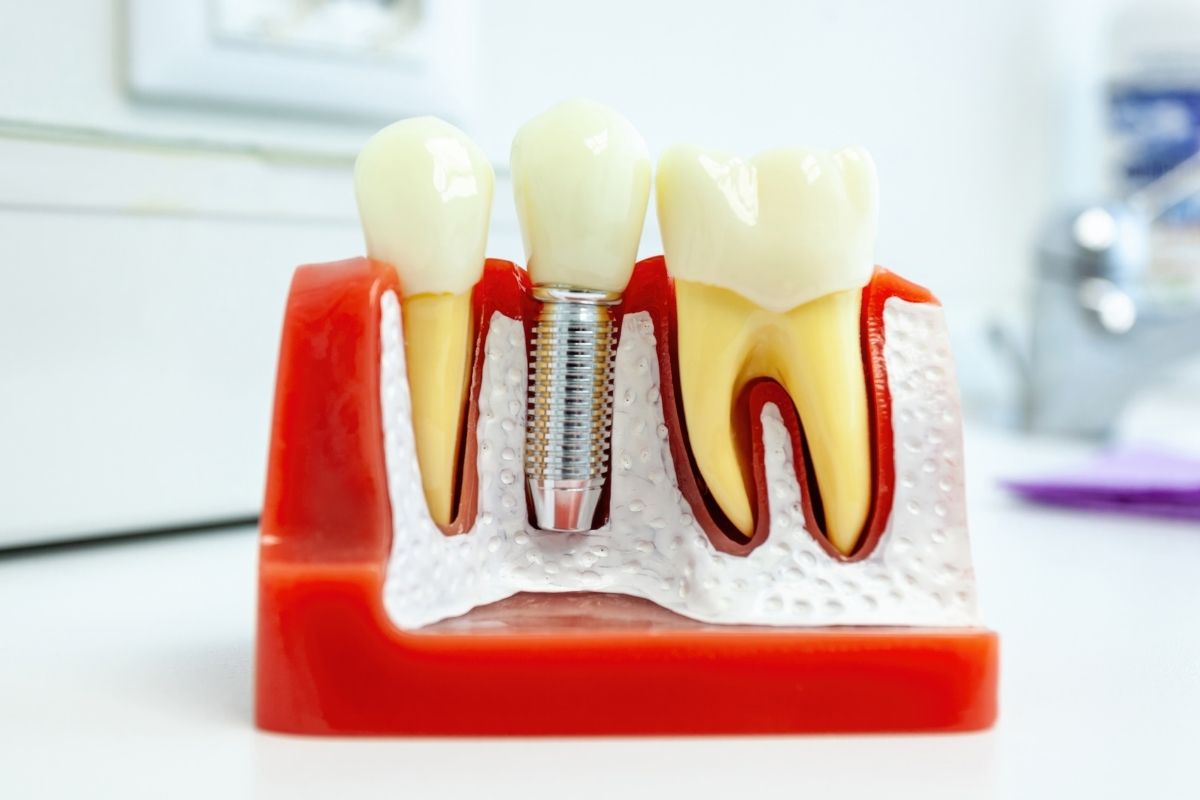
Yes, you can return to normal eating habits after getting dental restorations. They work just like natural tooth roots, providing strong support for crowns that can handle your daily chewing needs comfortably. The fixture naturally bonds with your jawbone, creating a sturdy foundation. Unlike removable options, fixtures stay securely in place even during meals. This reliable stability gives you better control and comfort when chewing various textures.
Normal eating isn’t something that happens overnight; it takes time to develop. After healing is complete, many patients find they can enjoy a variety of foods once more. Crunchy vegetables, meats, and grains start to feel more manageable and delightful again.
Healing Timeline and How Your Diet Changes
If you are considering dental implants in Chandler, learn what to do at each stage of your healing period. This is a guide for each recovery stage:
First Few Days After Placement
Right after your procedure, it’s best to give your mouth some time to rest. Choosing soft foods can really help protect the area, so delicious options like yogurt, mashed potatoes, and smoothies are great choices. Just remember to avoid anything hard or sticky to keep everything comfortable and safe.
Early Healing Phase
Over the next few weeks, your fixture will start bonding with your bone, which is an exciting and delicate process. To ensure everything goes smoothly, it’s best to be gentle around the surgical site. Try to avoid chewing directly on it, as that could disturb the healing process. Instead, opt for soft, slightly textured foods that are comfortable to eat and support your healing journey.
Osseointegration Phase
This stage is really important because the fixture bonds securely with your jawbone, providing you with lasting stability. According to the National Institutes of Health, this healing process can take anywhere from a few weeks to a few months, depending on how your body heals.
Final Restoration Stage
Once the crown is in place, chewing tends to feel much easier, and many patients find they’re able to gradually start enjoying firmer foods once again. As time goes on, confidence naturally comes back, making eating feel comfortable and normal all over again.
What Foods Should You Eat and Avoid During Recovery?
This is a list of foods that you can and shouldn’t eat during recovery:
Smart Food Choices During Healing
- Soft fruits like bananas and avocados
- Cooked vegetables that require minimal chewing
- Eggs and soft proteins
- Oatmeal and rice
Foods to Avoid Early On
- Hard nuts and seeds
- Sticky candies
- Crunchy snacks like chips
- Extremely hot or spicy foods
Patients are encouraged to reintroduce foods gradually. This gentle approach helps prevent any unnecessary stress on the fixture and makes it easier to notice if anything feels uncomfortable early on. If you are considering treatment for your missing teeth, now is the right time to act. Book an appointment to understand your options and get a personalized plan.
How to Protect Your Implant While Enjoying Food Again?
These are the tips you can follow:
- Build Healthy Eating Habits: Balanced meals support healing and long-term oral health. Nutrients like calcium and protein strengthen the surrounding bone.
- Maintain Daily Care: Brushing and cleaning around the restoration remain essential. Good hygiene prevents complications that may affect chewing comfort later.
- Pay Attention to Pressure: Even after healing, avoid using your teeth as tools. Opening packages or biting hard objects can damage the crown.
- Regular Checkups Keep You on Track: Routine visits help monitor the stability. Early adjustments can prevent long-term issues.
Ready to Enjoy Food Without Second Thoughts?
Eating normally after dental implants is not a very difficult goal. With proper care and guidance, it becomes a smooth part of your recovery journey. The process unfolds gradually, but in the end, you’ll feel confident and comfortable again. During events like the Ostrich Festival, enjoying roasted corn or barbecue becomes easier when your bite feels balanced again.
At Valley Dental Care, we focus on restoring comfort and function so patients can return to everyday routines with confidence. Take the next step and visit our dental office to start your journey toward a stronger, more natural bite.
FAQs
1. How long does it take before chewing feels comfortable again?
Chewing comfort improves gradually. Most people notice better control after a few weeks. Full comfort usually comes after healing completes and the final restoration is placed. The timeline varies based on healing and care habits.
Are there any long-term food restrictions after treatment?
There are usually no strict restrictions once healing is complete. Patients can enjoy most foods again. However, extremely hard items should still be approached with caution to protect the restoration and surrounding structures.
3. Does chewing feel different compared to natural teeth?
Initially, it may feel slightly different. Over time, the sensation becomes more natural. Many patients report that prosthetic teeth feel stable and allow them to chew with confidence and control.
4. Can implants handle tough foods like steak or raw vegetables?
Yes, once healing completes, the restoration can handle firm foods. Proper chewing habits and balanced pressure help maintain comfort. Starting slowly and building confidence ensures a smooth transition to tougher textures.
5. What happens if discomfort occurs while eating?
Mild discomfort during early healing is normal. Persistent pain should be evaluated. It may indicate pressure, inflammation, or adjustment needs. Early attention helps prevent complications and ensures long-term comfort.