Visit Valley Dental Care Today Or call 480-561-3993


In modern dentistry, dental implants have emerged as a groundbreaking solution for individuals grappling with missing teeth. Beyond conventional dentures and bridges, dental implants offer a more permanent and natural-looking alternative. If you’re contemplating this procedure but are unsure about the process, fear not – this blog aims to demystify the steps involved in getting dental implants. From the initial consultation to the final crown placement, we’ll guide you through each phase, shedding light on what to expect.
Understanding The Need For Dental Implants
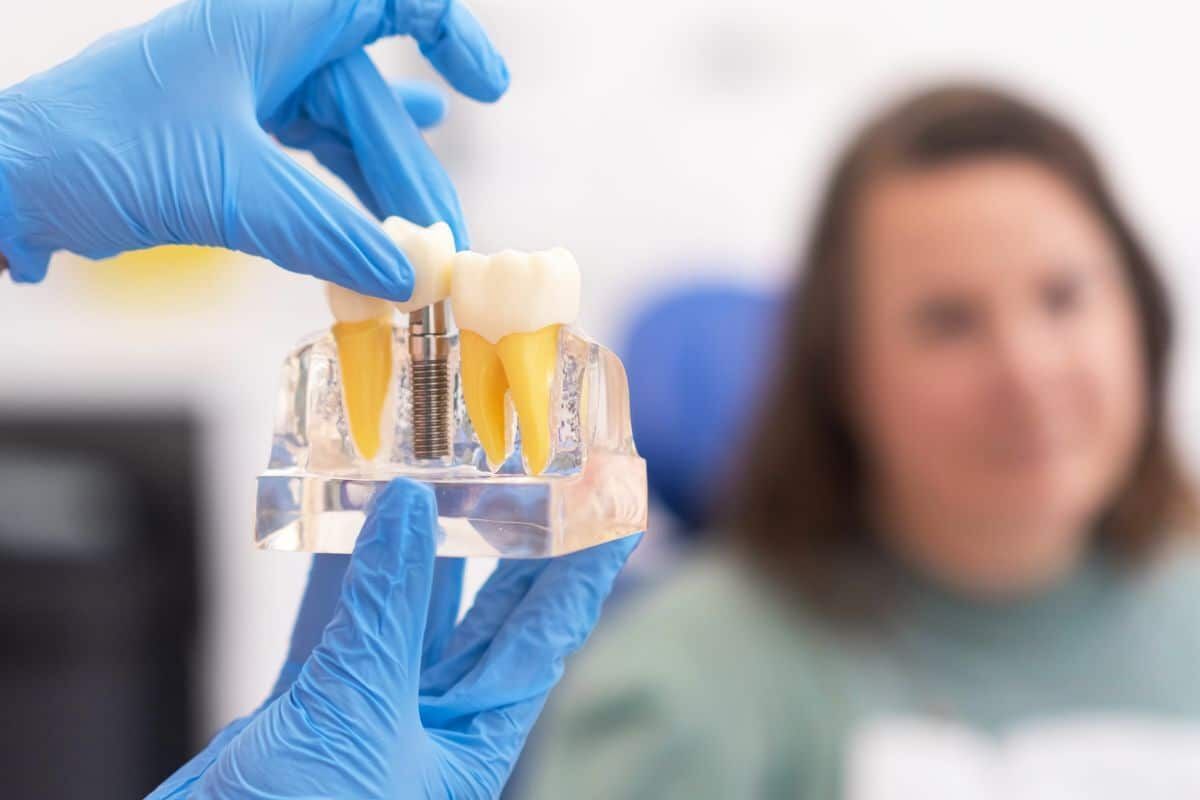
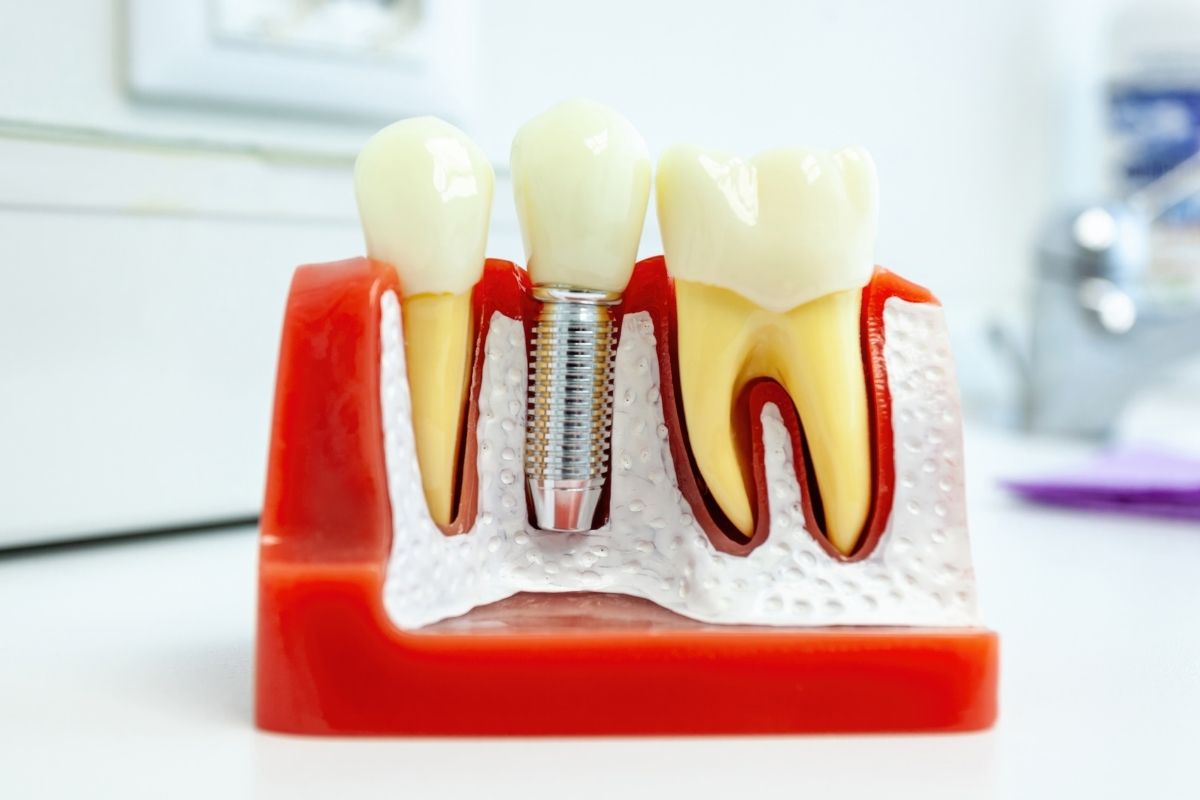
Before delving into the procedural details, it’s crucial to understand why dental implants are a popular choice for those seeking tooth replacement. Unlike traditional options, implants provide a durable and long-lasting solution, mimicking the function and appearance of natural teeth. The implant, typically made of titanium, fuses with the jawbone, creating a sturdy foundation for the replacement tooth or crown. This ensures a secure fit and promotes jawbone health, preventing deterioration that often accompanies tooth loss.
Consultation And Treatment Planning
The journey to dental implants begins with a thorough consultation with your dentist or oral surgeon. During this initial phase, your oral health will be assessed, and a treatment plan will be created tailored to your specific needs. X-rays and, in some cases, 3D imaging may be utilized to obtain a detailed view of your jaw structure, aiding in the precise placement of the implants.
Once the treatment plan is established, your dentist will discuss options like single implants, implant-supported bridges, or full-arch solutions. This collaborative decision-making process ensures the chosen approach aligns with your aesthetic preferences and functional requirements.
Surgical Implant Placement
With the treatment plan in place, the next step involves the surgical placement of the dental implants. This procedure is typically performed under local anesthesia to minimize discomfort. The oral surgeon makes an incision in the gum to expose the jawbone, where small holes are drilled for the implant placement. The implants are then carefully inserted into these openings.
The key to a successful implant is osseointegration – the process by which the implant fuses with the jawbone over several months. This integration ensures the stability and longevity of the implant. While the initial surgery is crucial, the body’s natural healing process plays a significant role in the overall success of the implant.
Osseointegration And Healing Period
Following the surgical implant placement, a period of healing is imperative. During this time, osseointegration occurs as the bone integrates with the implants, creating a solid foundation. Patients are provided temporary crowns or bridges to maintain functionality and aesthetics while healing begins. The duration of this healing period varies from person to person but generally spans three to six months.
Regular follow-up appointments with the dental team are essential during this phase to monitor the healing progress and address any concerns that may arise. Patience during this period is rewarded with a robust and fully integrated implant ready for the final restoration.
Abutment Placement And Impressions
Once the implants have successfully integrated with the jawbone, the next step involves placing abutments. Abutments are small connectors that attach to the implants, protruding above the gumline. These connectors are anchors for the final prosthetic, be it a crown, bridge, or denture.
After the abutments are in place, impressions of the mouth are taken. These impressions serve as the blueprint for crafting the final restoration. Advanced digital technologies may be employed to ensure precision and accuracy in creating a customized prosthetic that perfectly fits the patient’s unique oral anatomy.
Final Restoration
The last leg of the dental implant journey involves the attachment of the final restoration. Whether it’s a single crown, a bridge, or a complete set of dentures, the prosthetic is meticulously crafted to match natural teeth’ color, shape, and alignment. This is a highly collaborative process, with the patient providing feedback to ensure the result meets their expectations.
The final restoration is securely attached to the abutments, completing the dental implant procedure. The result is a fully functional and aesthetically pleasing smile that restores confidence and improves overall oral health.
Embarking on the path to dental implants might seem like a complex journey, but armed with knowledge, it becomes an empowering and transformative experience. From the initial consultation to the final placement of the restoration, each step plays a crucial role in achieving a natural-looking and long-lasting smile. If you’re considering dental implants, understanding the procedure is the first step towards making an informed decision. Remember, a beautiful and functional smile awaits you, and with the right guidance from your dental team, you can confidently embrace the life-changing benefits of dental implants.