Visit Valley Dental Care Today Or call 480-561-3993

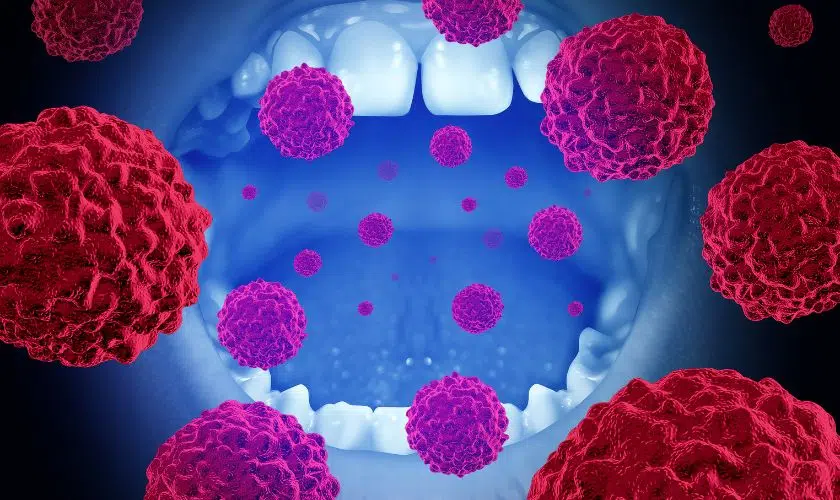
Oral cancer, encompassing cancers of the mouth and throat, is a critical health concern. While not as common as other cancers, early detection is crucial for successful treatment and improved outcomes. This blog post empowers you with knowledge about oral cancer, its risk factors, warning signs, and preventive measures.
Understanding Oral Cancer:
Oral cancer originates in the cells of the mouth and throat, including the lips, tongue, cheeks, gums, palate, throat, and salivary glands. The two most common types are:
- Squamous cell carcinoma: This arises in the thin, flat lining (epithelium) of the mouth and throat.
- Verrucous carcinoma: This is a less aggressive form that often appears on the inner lining of the cheeks or the tongue.
Risk Factors:
Certain factors increase your susceptibility to oral cancer. Here are some key ones:
- Tobacco Use: Smoking, chewing tobacco, and smokeless cigarettes significantly elevate risk.
- Heavy Alcohol Consumption: Excessive alcohol intake, particularly when combined with tobacco use, has a synergistic effect.
- Human Papillomavirus (HPV): HPV strains 16 and 18, linked to cervical cancer, are increasingly associated with some oral cancers.
- Sun Exposure: Sun damage to the lips can contribute to lip cancer.
- Weakened Immune System: Conditions like HIV/AIDS or medications that suppress the immune system can heighten risk.

Warning Signs:
Early detection is paramount for effective treatment. Be mindful of these potential warning signs:
- Mouth Sores: A persistent mouth sore, ulcer, or irritation that doesn’t heal within two weeks.
- Lumps or Bumps: New lumps or bumps in the mouth, neck, or jaw that don’t subside.
- Bleeding: Unexplained bleeding in the mouth, especially after brushing or flossing.
- Loose Teeth: Teeth loosening without apparent cause or dental problems.
- Changes in Voice: A persistent hoarseness, voice changes, or difficulty swallowing.
- White or Red Patches: Development of white or red patches on the gums, tongue, or inner cheek lining.
Preventive Measures:
Fortunately, you can significantly reduce your risk of oral cancer by adopting these healthy habits:
- Quit Tobacco: If you use tobacco, quitting is the single most impactful preventive step.
- Moderate Alcohol Consumption: Limit alcohol intake to reduce your risk.
- Vaccination: Consider HPV vaccination, especially for young adults.
- Sun Protection: Use lip balm with SPF to safeguard your lips from the sun.
- Regular Dental Checkups: Schedule regular dental checkups for professional oral cancer screenings.
- Self-Exams: Perform monthly self-examinations to detect any suspicious changes in your mouth.
- Healthy Diet: Maintain a diet rich in fruits, vegetables, and whole grains for optimal health.
Early Detection Saves Lives:
By familiarizing yourself with the risk factors, warning signs, and preventive measures for oral cancer, you empower yourself to safeguard your oral health. If you experience any of the warning signs, consult your dentist promptly. Early detection significantly improves the chances of successful treatment and a positive outcome.