Visit Valley Dental Care Today Or call 480-561-3993


It can happen in a second. One minute you’re enjoying a game of pickleball at Tumbleweed Park, and the next—bam—you take a hit, and a tooth flies out. A knocked-out tooth might seem like a dental disaster, but with quick thinking and the right steps, it doesn’t have to be permanent. In fact, if handled properly, there’s a good chance your tooth can be saved.
For anyone living in Chandler, knowing what to do in those critical moments after a tooth is knocked out can make all the difference. Here’s your practical, step-by-step guide to handling a dental emergency before you make it to your local dentist.
First, Don’t Panic
Yes, it’s jarring. But staying calm is essential. Dental trauma like a knocked-out tooth (also called an avulsed tooth) is surprisingly common, and with prompt action, many cases have a successful outcome.
Take a deep breath, assess the situation, and act quickly—time is crucial. You have the best chance of saving your tooth if it’s re-implanted within 30 to 60 minutes.
Step 1: Find the Tooth (Handle It Carefully)
Locate the tooth immediately. When you pick it up, handle it by the crown—that’s the top part of the tooth you normally see when you smile. Avoid touching the root, as it’s covered with delicate cells that help the tooth reattach to the socket.
If the tooth is dirty, rinse it gently with milk or saline solution. Avoid scrubbing, wiping, or using soap or chemicals. Even running water should be used cautiously.
Step 2: Try to Reinsert It (If You Can)
Believe it or not, the best place for a knocked-out tooth is right back in its socket—as long as you’re able to do it safely and without force. Gently push the tooth back in with your fingers and hold it in place by biting down on a clean piece of gauze or cloth.
If that’s not possible due to pain, bleeding, or swelling, don’t worry. There are other ways to protect it until you reach an emergency dentist Chandler.
Step 3: Keep the Tooth Moist
The tooth must stay moist at all times. If it’s not back in the socket, place it in one of the following:
- A container of milk (ideal for preserving the cells on the root)
- A tooth preservation kit like Save-a-Tooth, if available
- Saliva—you can place the tooth in your cheek if you’re conscious and not at risk of swallowing it
Do not store the tooth in water. Water can damage the root cells and reduce the chance of successful re-implantation.
Step 4: Control Bleeding and Pain
While protecting the tooth, you should also care for your mouth. Use clean gauze to apply gentle pressure to the socket if it’s bleeding. An ice pack applied to the outside of the mouth can help reduce swelling and numb the area.
Avoid taking aspirin, as it may increase bleeding. Instead, use acetaminophen or ibuprofen if needed for pain relief—unless advised otherwise by your dentist.
Step 5: Get to a Dentist in Chandler Immediately
Now that the tooth is safe, get to a dentist in Chandler as quickly as possible. Time is the most important factor in whether the tooth can be saved. Most dental offices have protocols for emergencies, and many provide same-day appointments when trauma is involved.
Let the office know that it’s an avulsed tooth so they can prepare accordingly. If your regular dentist is unavailable, don’t wait—look for an emergency dentist in Chandler who can handle urgent care cases on short notice.
What Happens at the Dental Office?
Once you arrive, the dentist will examine the injury, possibly take an X-ray, and determine whether the tooth can be re-implanted. If it’s possible, the dentist will clean the area, reposition the tooth, and stabilize it with a small splint.
Over the following weeks, you’ll return for check-ups to monitor healing. A root canal may be required depending on how long the tooth was out and the level of trauma involved.
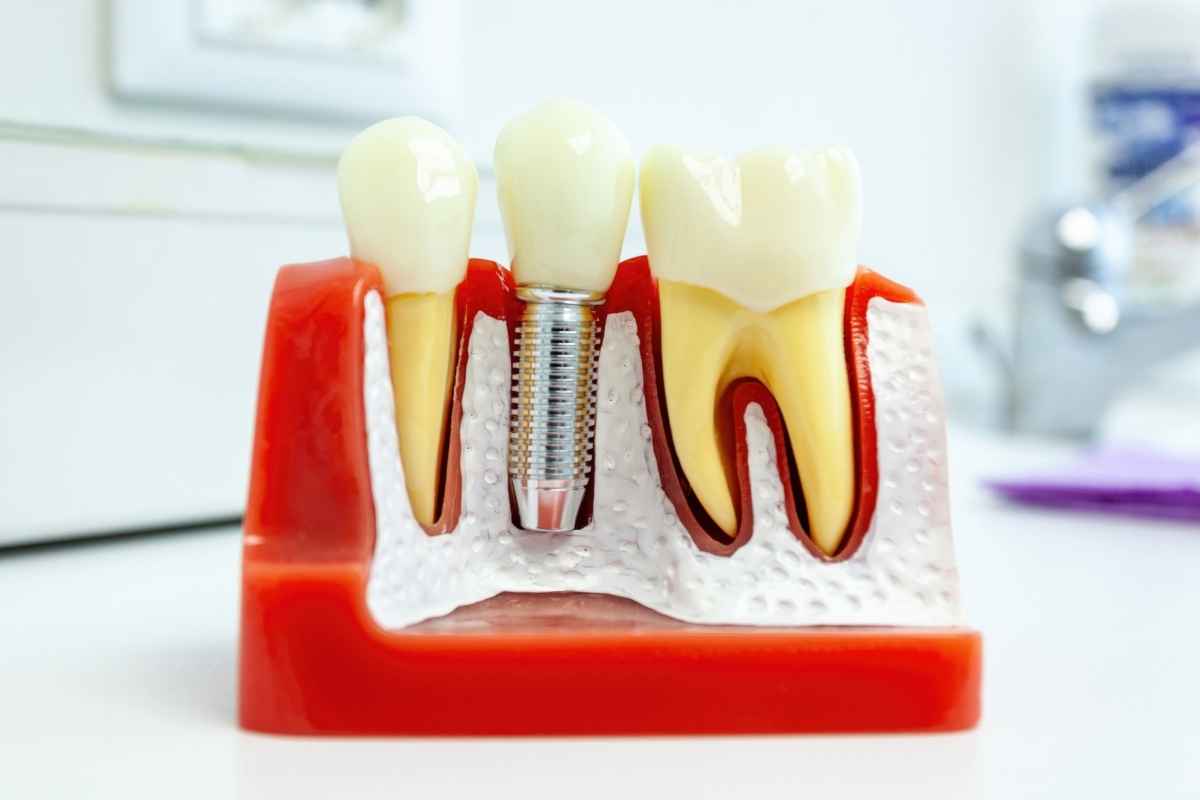
Even if the original tooth can’t be saved, there are still great options available—like dental implants or bridges—to restore your smile.
When to Expect a Full Recovery
Recovery time can vary depending on your age, overall oral health, and how soon treatment was received. Children may heal faster, but adults often require more follow-up. With proper care, a re-implanted tooth can function normally for years.
The key is to follow all post-op instructions and maintain excellent oral hygiene throughout the healing process.
Tips to Avoid Future Tooth Loss
While some accidents are impossible to prevent, you can reduce your risk with a few precautions:
- Wear a mouthguard during sports and recreational activities
- Don’t use your teeth to open packages or bottles
- Maintain regular dental checkups to keep your teeth and gums strong
- Treat grinding (bruxism) if you clench or grind your teeth at night
Final Thoughts
Losing a tooth can feel like a worst-case scenario—but it doesn’t have to be permanent. Chandler residents have access to skilled dental care at Valley Dental Care that can often restore a knocked-out tooth if action is taken quickly. Keep a small dental emergency kit in your car or home, know who to call, and remember the steps: find it, handle it gently, keep it moist, and get to a dentist immediately. With the right care and quick thinking, you might just walk away from the emergency with your full smile intact.