Visit Valley Dental Care Today Or call 480-561-3993


Dental crowns are a reliable solution for restoring damaged or weakened teeth, offering both aesthetic appeal and functionality. However, dental crowns can sometimes fall out due to various reasons, leading to discomfort and the need for prompt dental care. Understanding why this happens and how to prevent it can help you maintain your dental crowns effectively. If you are seeking expert advice on dental crowns in Chandler, a qualified dentist can help you keep your dental restorations secure and long-lasting.
What Are Dental Crowns?
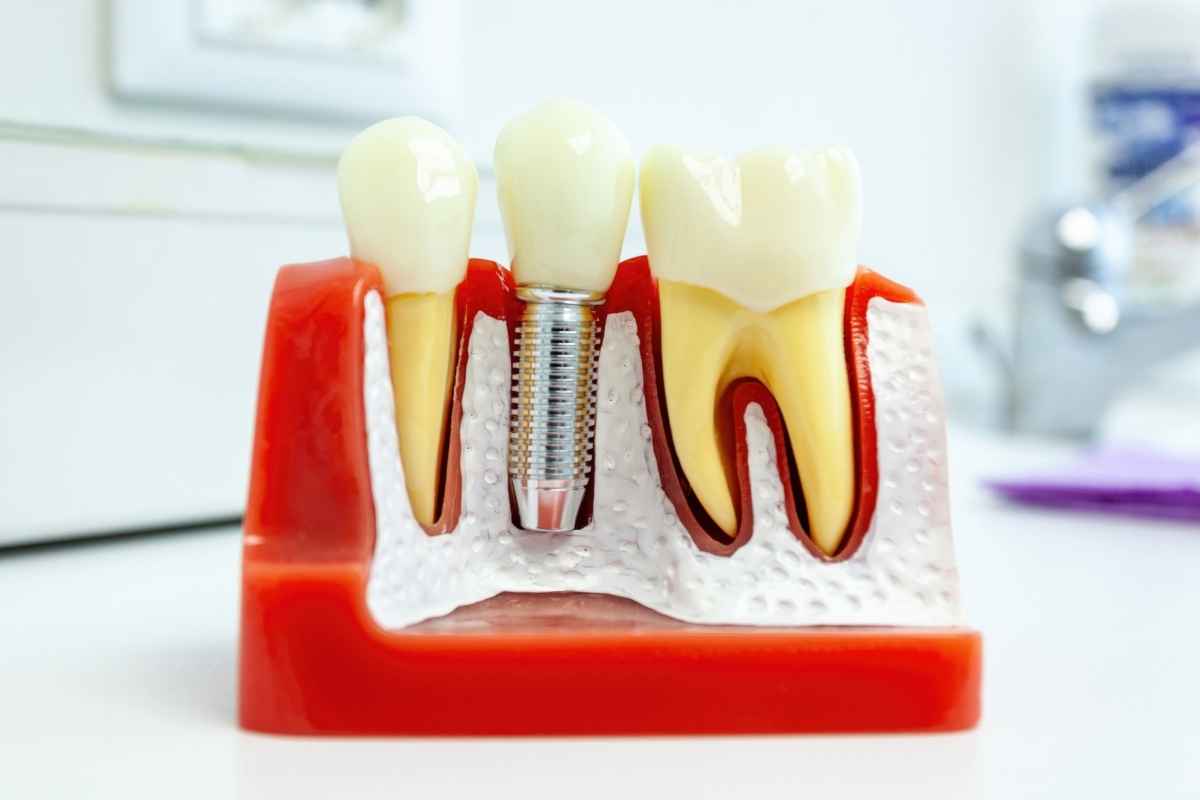
Dental crowns are custom-made caps that cover a damaged or decayed tooth, restoring its shape, size, and strength. Crowns are typically made from materials such as porcelain, ceramic, or metal, and they are bonded to the tooth using a dental adhesive. Despite their durability, there are instances where dental crowns can loosen or fall out, which requires immediate attention from a dentist.
Common Reasons Dental Crowns Fall Out
- Weak or Insufficient Adhesive Bond One of the most common reasons for dental crowns to fall out is a weak adhesive bond. If the bonding cement between the tooth and the crown is not strong enough or has degraded over time, the crown may become loose and eventually detach. This can happen due to improper placement, poor-quality adhesive, or simply the natural wear and tear over time.
- Decay Underneath the Crown Even though dental crowns protect the outer surface of the tooth, decay can still occur underneath the crown if proper oral hygiene isn’t maintained. Bacteria can seep through small gaps or along the gum line, causing decay in the tooth that supports the crown. As the underlying tooth structure weakens due to decay, the crown can become loose and fall off. Regular dental check-ups with a dentist can help identify any decay before it leads to crown failure.
- Damage to the Tooth Structure Sometimes, the tooth underneath the crown may fracture or break, causing the crown to fall out. This can happen due to biting on hard objects, trauma, or even natural wear and tear. If the underlying tooth structure weakens, the crown will lose its support and detach.
- Poor Fit or Placement If the crown was not properly fitted during the placement process, it may never bond securely to the tooth. A poorly fitted crown may feel uncomfortable and can loosen over time, eventually leading to it falling out. Working with an experienced dentist ensures that your crown is custom-fitted for optimal comfort and security.
- Grinding or Clenching (Bruxism)Teeth grinding or clenching, also known as bruxism, can put excessive pressure on your teeth and crowns. Over time, this constant force can weaken the bond of the crown to the tooth or damage the crown itself, causing it to fall out. Wearing a nightguard can help protect your crowns if you grind or clench your teeth while sleeping.
- Chewing on Hard Foods Chewing on hard foods like ice, hard candies, or nuts can put a lot of stress on your dental crowns. Repeated exposure to these forces can cause the crown to loosen or break. It’s best to avoid biting directly on hard objects and instead chew with your natural teeth when consuming tougher foods.
- Gum Recession As your gums naturally recede with age or due to gum disease, gaps may form between the crown and the gum line. This gap can allow bacteria to accumulate, leading to decay, which compromises the integrity of the tooth and the bond of the crown. Regular visits to a dentist can help prevent and treat gum recession before it affects your dental crowns.
How to Prevent Your Dental Crowns from Falling Out
- Practice Good Oral Hygiene Maintaining excellent oral hygiene is crucial to prevent decay under and around the dental crown. Brushing twice a day with fluoride toothpaste, flossing regularly, and using an antibacterial mouthwash can help keep bacteria at bay and protect both your natural teeth and crowns.
- Regular Dental Check-ups Regular visits to a dentist are essential for ensuring the health of your dental crowns and the teeth supporting them. During these appointments, your dentist will check for any signs of decay, gum disease, or issues with the crown’s fit. Early detection of problems can prevent the crown from loosening or falling out.
- Wear a Nightguard If You Grind Your Teeth If you grind your teeth at night, wearing a nightguard can protect your crowns from excessive pressure and prevent them from loosening over time. Your dentist can provide a custom-made nightguard designed to protect both your natural teeth and any dental restorations.
- Avoid Hard or Sticky Foods Limiting your consumption of hard or sticky foods will help protect your crowns from unnecessary stress. Foods like caramels, nuts, and ice can put too much pressure on the crown, potentially causing it to loosen or break. If you need to eat harder foods, be mindful of how you chew and try to use the natural teeth instead of those with crowns.
- Address Gum Disease Promptly Gum disease can lead to gum recession, which in turn can cause crowns to loosen. If you notice signs of gum disease such as bleeding gums, swelling, or persistent bad breath, make sure to see your dentist as soon as possible. Early treatment of gum disease can prevent crown complications.
- Choose a Qualified Dentist for Placement Proper placement is key to the longevity of your dental crown. Always seek out a skilled and experienced dentist for crown placement to ensure a snug and comfortable fit. Your dentist will take careful measurements and use high-quality materials to secure the crown properly.
What to Do If Your Crown Falls Out
If your dental crown does fall out, it’s important to act quickly to prevent further damage or infection. Follow these steps:
- Save the Crown: If possible, retrieve the crown and keep it clean. Your dentist may be able to re-cement it.
- Contact Your Dentist: Schedule an appointment with your dentist in Chandler as soon as possible to have the crown reattached or replaced.
- Avoid Using the Affected Tooth: In the meantime, try to avoid chewing on the side where the crown fell out to prevent additional damage.
Conclusion
Dental crowns are a great way to restore your smile and protect your teeth, but they do require proper care and maintenance. By understanding the common reasons dental crowns fall out and taking preventive measures, you can keep your crowns secure and your teeth healthy. Whether you’re getting a crown for the first time or need to replace an old one, working with Valley Dental Care ensures long-lasting results and a healthy smile.