Visit Valley Dental Care Today Or call 480-561-3993


Deciding on the timing for dental implants and Invisalign treatment can be a crucial factor in achieving optimal results for your smile. Whether you need dental implants in Chandler to replace missing teeth or are considering Invisalign to straighten your teeth, understanding the best sequence for these treatments can ensure a successful outcome. Here’s a comprehensive guide to help you determine whether to get dental implants before or after Invisalign.
Understanding Dental Implants and Invisalign
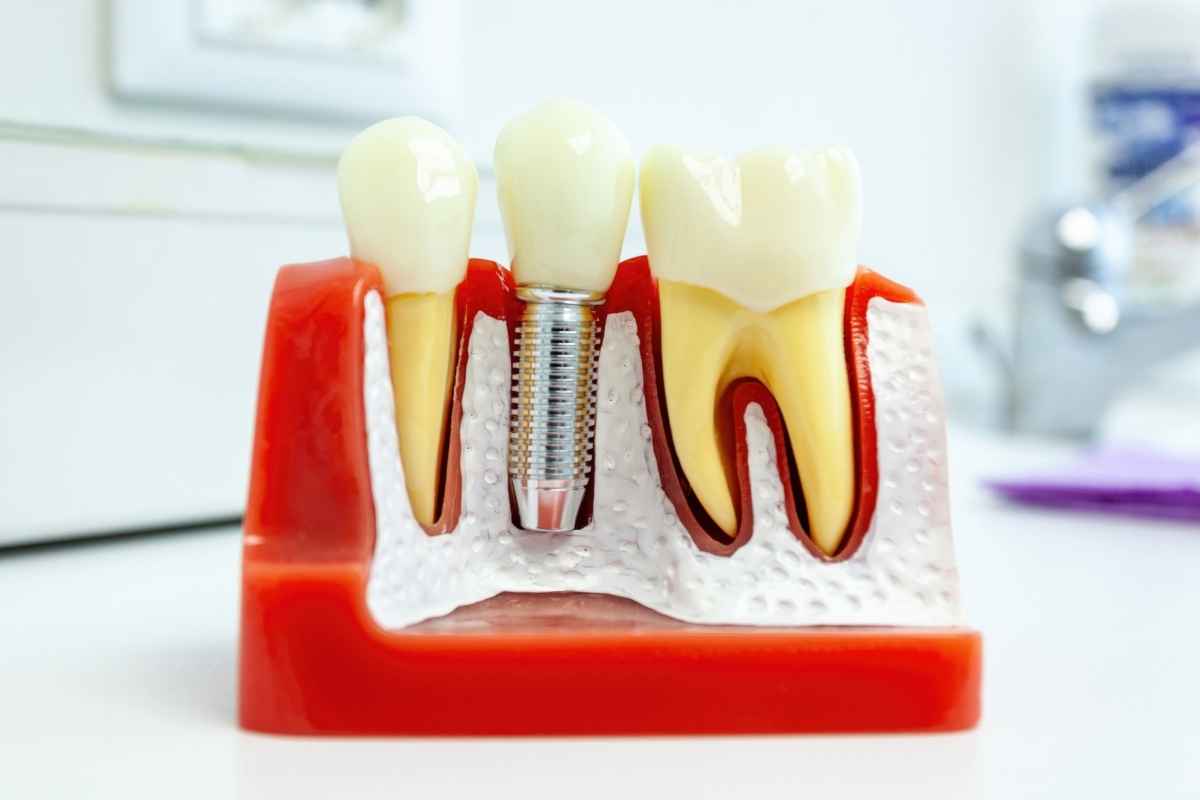
Dental implants: offer a long-lasting solution for replacing missing teeth. They consist of a titanium post inserted into the jawbone, which serves as a foundation for a crown, bridge, or denture. Implants restore function and aesthetics, providing a natural-looking and durable replacement for lost teeth.
Invisalign: is a modern orthodontic solution that employs a series of clear, removable aligners to progressively straighten your teeth. This system is a popular alternative to traditional metal braces and offers a more discreet and comfortable way to achieve a straighter smile.
Factors to Consider When Planning Your Treatments
- Alignment of Your Existing Teeth
- Before Invisalign: If you have misaligned teeth, starting with Invisalign in Chandler before getting dental implants may be beneficial. Straightening your teeth first can create the proper alignment for the implant placement, ensuring that the implants are positioned correctly and that the final restoration will fit properly.
- Before Implants: If your teeth are already well aligned but you need implants for missing teeth, getting the implants first might be necessary. This is especially true if the implant placement is critical to the overall function or aesthetics of your smile.
- Space and Jawbone Structure
- Before Invisalign: If you require significant realignment of your teeth, Invisalign can help create the necessary space and adjust your jawbone structure, which can influence the positioning of implants. Correcting alignment issues beforehand can simplify the implant process.
- Before Implants: In some cases, dental implants may require sufficient jawbone density. If Invisalign is likely to alter the jawbone structure significantly, it may be wise to place implants first to ensure they have a stable foundation.
- Overall Treatment Goals
- Cosmetic and Functional Goals: If your goal is to improve both the alignment and aesthetics of your smile, starting with Invisalign may be the best approach. Straightening your teeth first allows for more accurate implant placement and better results in the long run.
- Immediate Needs: If you need to address missing teeth urgently for functional reasons (e.g., difficulty chewing or speaking), getting implants first may be necessary. Once the implants have integrated with the jawbone, you can proceed with Invisalign to address any alignment issues.
- Treatment Duration and Planning
- Invisalign First: Invisalign treatment typically takes several months to over a year, depending on the complexity of your case. Completing Invisalign first ensures that your teeth are in the ideal position for implant placement, potentially shortening the overall treatment time.
- Implants First: The dental implant process involves several stages, including placement, healing, and final restoration. If implants are placed first, you’ll need to wait for the healing period before starting Invisalign. This may extend the total treatment duration but can ensure that implants are properly integrated.
Consultation with Your Dentist
The decision on whether to get dental implants before or after Invisalign should be made in consultation with your dentist. They will evaluate your specific dental needs, consider the current alignment of your teeth, and develop a customized treatment plan. Your dentist may also collaborate with an orthodontist to coordinate the timing and sequencing of your treatments.
Conclusion
Ultimately, whether you should get dental implants before or after Invisalign depends on your dental situation and goals. For many patients, starting with Invisalign to address alignment issues before placing implants provides the best results in terms of both function and aesthetics. However, if your implants are needed urgently or if your dental structure is already well-aligned, placing implants first may be the appropriate choice.
By working closely with your dentist and following their recommendations, you can ensure a successful treatment plan that addresses both your orthodontic and implant needs effectively.